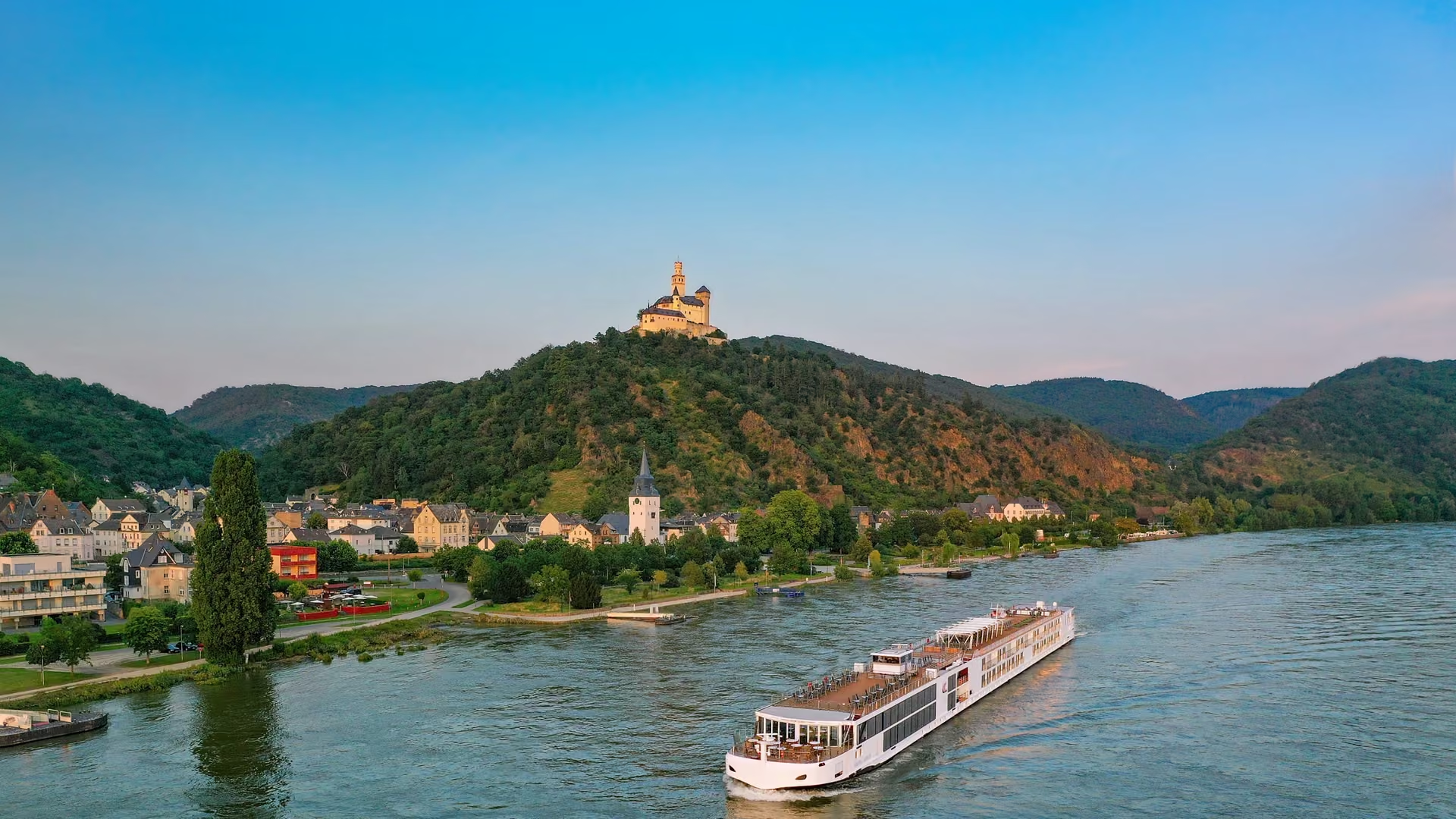
This is a compact cruise with a lot packed in. In a week you move from medieval Franconia, with its half-timbered towns and smoky beer, down the Main and the Rhine to Cologne's cathedral and the windmills of Kinderdijk, finishing in Amsterdam.
The route
Nuremberg · Bamberg · Würzburg · Wertheim · Koblenz · Cologne · Kinderdijk · Amsterdam
About the Castles, Vineyards & Villages cruise
Castles, Vineyards & Villages begins in Nuremberg, a city that has seen both the grandeur of the Holy Roman Empire and the darkest chapter of the 20th century. From there your Viking Longship heads north and west through Franconia, calling at Bamberg, a UNESCO-listed medieval town famous for its rauchbier, and Würzburg, home of the Bishops' Residenz, one of the great baroque palaces of Europe. With only eight days, it is a well-paced introduction to the German rivers.
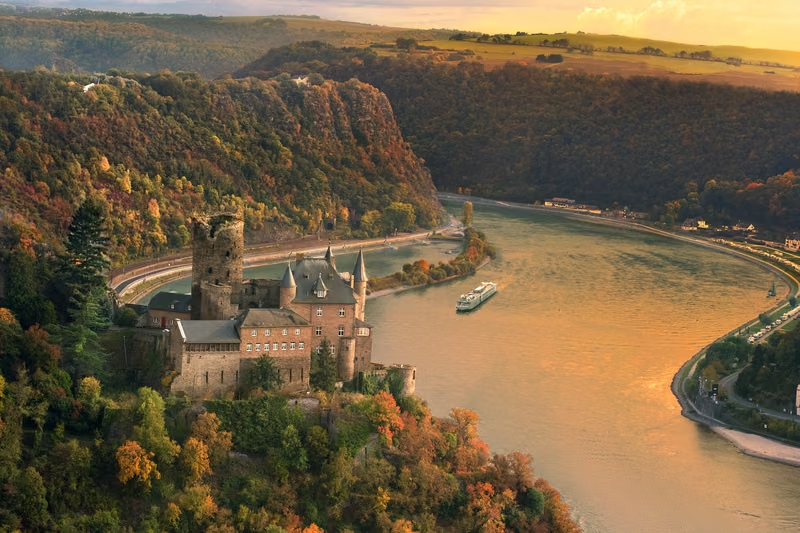
Next comes some of the gentlest river scenery in Germany. The Main twists past the wooded hills of the Spessart, with a stop in Wertheim, a small town known for its glassblowing. Then the ship joins the Rhine and sails through the Middle Rhine Valley, a UNESCO World Heritage Site lined with hilltop castles, steep vineyards and the famous Lorelei Rock, before mooring in Koblenz where the Moselle flows in.
The last part of the cruise takes you north to Cologne, where the great Gothic cathedral rises beside the river, and across the border to Kinderdijk and its 18th-century windmills. You finish in Amsterdam. Eight days is a good length if you want a proper taste of river cruising without too long away, and the mix of medieval towns, wine country and big cities keeps every day different. It also works well as a first river cruise.
As with all Viking's European Longship cruises, the fare includes return flights from London and selected regional airports, one included shore excursion in every port of call, all onboard meals, and beer, wine and soft drinks with lunch and dinner. Free Wi-Fi, port taxes and onboard gratuities are included too. Prices start from £1,795 per person. We checked this in October 2026, and fares change with your date and stateroom.
For more on the river itself, see our The Main and Moselle river cruise guide, The Rhine river cruise guide.
Cruise highlights
Nuremberg's history
A walled old town with an imperial castle, and the Palace of Justice where the post-war trials were held.
Bamberg and rauchbier
A UNESCO-listed town of seven hills with a Town Hall on the river and a smoky local beer you will not forget in a hurry.
The Würzburg Residenz
A vast baroque palace and UNESCO site, with a ceiling fresco by Tiepolo over its grand staircase.
The Middle Rhine Valley
Castles, vineyards and the Lorelei Rock along the most famous stretch of the Rhine.
Cologne Cathedral
More than 600 years in the making, this Gothic giant is one of the great churches of Europe.
Kinderdijk's windmills
A row of 18th-century windmills over the Dutch polders, protected as a UNESCO World Heritage Site.
Day by day itinerary
Arrive in Nuremberg
Your cruise begins in Nuremberg, the largest city in Franconia. The old town sits inside medieval walls below the Imperial Castle, where Holy Roman Emperors once stayed, and the Market Square is home to the Schöner Brunnen, a richly decorated Gothic fountain. Albrecht Dürer was born here in 1471, and his house still stands near the castle. The city also carries heavier history. The Palace of Justice was the setting for the Nuremberg Trials of 1945 to 1946, when leading Nazis were tried in Courtroom 600. Before dinner on board, try the local bratwurst, small enough to eat three at a time.
Bamberg's beer and baroque
Bamberg is one of the best-preserved medieval towns in Germany, built across seven hills and listed by UNESCO in 1993. Its Old Town Hall is a real oddity, standing on an island in the middle of the River Regnitz and covered in painted murals. Up the hill, the cathedral holds the tomb of Emperor Henry II and the stone figure known as the Bamberg Horseman. Then there is the beer. Rauchbier is brewed with malt dried over beechwood fires, which gives it a smoky flavour that some liken to bacon. Try it at a traditional tavern, and decide for yourself whether a second glass is in order.
The Bishops' Residenz
Würzburg was ruled for centuries by powerful prince-bishops, and in the 18th century they built themselves a palace to rival any king's. The Residenz, designed largely by Balthasar Neumann, is a UNESCO World Heritage Site and one of the finest baroque buildings in Europe. Its grand staircase is crowned by an enormous ceiling fresco painted by the Venetian artist Giovanni Battista Tiepolo in 1752 and 1753. Above the town, the Marienberg Fortress looks down over the Main and its vineyards. This is the heart of Franconian wine country, known for dry Silvaner sold in the distinctive flat, round bottle called the Bocksbeutel.
Wertheim and the Spessart
Wertheim is a typical small German town where the Tauber flows into the Main, with half-timbered houses in the lanes and the ruins of a red sandstone castle on the hill above. It has become famous for its glassblowing, a tradition that began when glassmakers from Thuringia settled here around 1950, and its Glass Museum shows everything from fine laboratory pieces to decorative work. Afterwards, relax on deck as the ship sails on through Franconia, where the Main winds in long loops around the forested hills of the Spessart. It is a quiet, green stretch of river, best enjoyed with a coffee on the sun deck.
Castles of the Middle Rhine
Today is one of the scenic highlights of any Rhine cruise. The ship sails through the Middle Rhine Valley, a UNESCO World Heritage Site since 2002, where castles crown the hills and vineyards climb the slopes. Watch for the Lorelei Rock, the steep cliff where, according to legend, a maiden's singing lured boatmen to their doom. The poet Heinrich Heine made the story famous. In the afternoon you reach Koblenz, founded by the Romans where the Moselle meets the Rhine. Explore the German Corner, with its huge statue of Kaiser Wilhelm I, and the historic Old Town, with Ehrenbreitstein Fortress looking down from across the river.
Cologne and its cathedral
Cologne was founded by the Romans and has been one of Germany's great cities ever since. Its cathedral, a UNESCO World Heritage Site, is the first thing you see from the river. Building started in 1248, but the twin spires were not finished until 1880, and the result is one of the largest Gothic churches in the world. Inside, the golden Shrine of the Three Kings is said to hold relics of the Magi. Stroll through the Old Town, with its colourful houses facing the Rhine, and stop at a brewery tavern for a Kölsch, the city's light beer, served in small, slender glasses that the waiter keeps topping up.
The windmills of Kinderdijk
Overnight the ship crosses into the Netherlands, and today you see the Dutch countryside at its most picturesque. Kinderdijk is home to a group of 19 windmills, built in the 18th century to drain the polders of the Alblasserwaard, and the site was added to UNESCO's World Heritage List in 1997. Several of the mills still work, and some are still lived in by millers and their families. Walking along the dykes between them, with reeds, water birds and wide skies all around, you get a real feel for how the Dutch have shaped their land. In the evening, enjoy a farewell dinner on board.
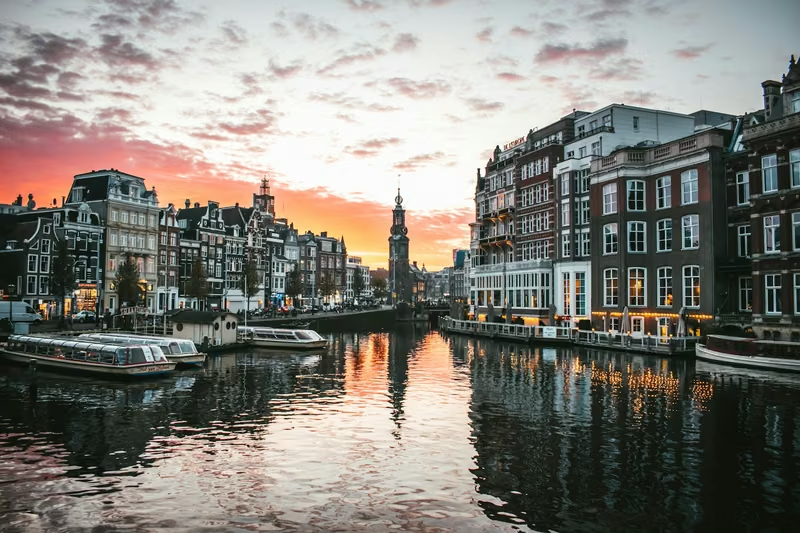
Farewell in Amsterdam
Your cruise ends in Amsterdam. After breakfast you say goodbye to the crew and your fellow guests, and if you booked flights through Viking, a transfer takes you to the airport for your flight home. It would be a shame to fly straight out of one of Europe's most enjoyable cities, though. When we checked, Viking offered a two-night Amsterdam extension, in standard or premium form, and a fully guided stay in Bruges and Ghent after this cruise. That gives you time for the canals, the Rijksmuseum and a few more Dutch treats. Ask us and we will confirm the options for your date.
Itineraries and shore excursions are set by Viking and can change, and may vary by departure.
The places you will visit
Nuremberg: emperors, artists and the trials
For centuries Nuremberg was one of the most important cities of the Holy Roman Empire. Emperors held court at the Imperial Castle, and the city grew rich on trade and craftsmanship, from metalwork and toys to scientific instruments. In the late 15th century it was home to Albrecht Dürer, the greatest German artist of his age, and the city's printers and goldsmiths were famous across Europe. Even today, the Christmas market on the Market Square and the gingerbread known as Lebkuchen draw visitors from far away.
The 20th century brought a darker reputation. The Nazis chose Nuremberg for their huge party rallies, and the half-built rally grounds can still be seen south of the centre. In early 1945, Allied bombing destroyed most of the old town, which was rebuilt with great care. Later that year, the Palace of Justice became the setting for the International Military Tribunal, where leading figures of the Nazi regime were tried for war crimes. Courtroom 600 and its memorial exhibition explain how the trials helped shape international law.
Franconia: Bamberg, Würzburg and the wines of the Main
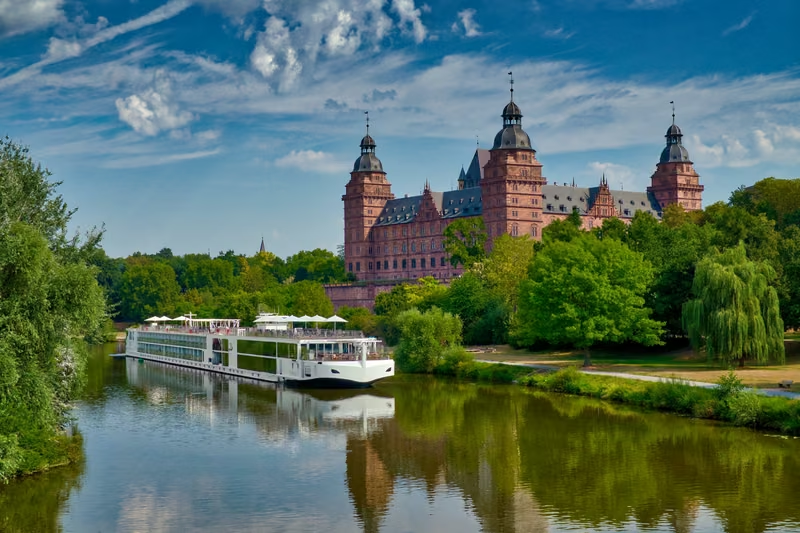
Franconia is the northern part of Bavaria, and it has a character all of its own. Bamberg escaped the worst of the wartime bombing, so its old town survives as a rare complete picture of a medieval and baroque German city. It was the seat of Emperor Henry II, who founded the bishopric in 1007, and he and his wife Kunigunde are buried in the cathedral. Bamberg's breweries are just as important to locals, and the town has long been known for its many small family brewers.
Würzburg's prince-bishops were rich enough to build the Residenz, and wine paid for much of it. The slopes along the Main produce Franconian wine, mostly dry whites from Silvaner and Müller-Thurgau, and the best bottles still come in the squat Bocksbeutel, a shape protected by law for wines of the region. The Residenz itself was largely the work of Balthasar Neumann, and the fresco above its staircase, painted by Tiepolo, shows the four continents known at the time. It ranks among the largest ceiling frescoes ever painted.
The Middle Rhine: castles and legends
Between Bingen and Koblenz, the Rhine cuts a deep gorge through the Rhenish Slate Mountains, and this stretch of about 65 kilometres was declared a UNESCO World Heritage Site in 2002. For centuries it was one of the busiest trade routes in Europe, and local lords built castles on the heights to collect tolls from passing boats. Some were destroyed in later wars and rebuilt in the 19th century by Romantic owners, while the Marksburg is famous as one that was never destroyed.
The Lorelei is the most famous point on the river. Here the Rhine narrows and bends sharply around a high slate cliff, and the currents once made it dangerous for boats. Legend placed a beautiful maiden on the rock, combing her golden hair and singing, so that boatmen forgot to watch the water. Heinrich Heine's poem of 1824, later set to music, turned the tale into one of Germany's best-known songs. At Koblenz, the Rhine is joined by the Moselle, and the German Corner marks the meeting of the two rivers.
What is included
Viking prices its river cruises to include most of what you need, so there are few extras to budget for once you are on board.
Return flights
Return flights from London and selected regional airports, with ground transfers included when you fly with Viking.
A shore excursion in every port
One included shore excursion in each port of call, usually a guided walking or coach tour, with optional extras to buy.
All meals on board
Breakfast, lunch and dinner every day you are on board, including al fresco dining on the Aquavit Terrace.
Drinks with lunch and dinner
Beer, wine and soft drinks served with lunch and dinner, plus specialty coffee, tea and bottled water at any hour.
Free Wi-Fi
Wi-Fi is included on board at no extra charge, though speeds can vary as the ship moves along the river.
Port taxes and fees
Port taxes and fees are built into the fare, so there are no extra charges waiting at the end.
Onboard gratuities
Gratuities for the crew on board are included in the fare.
Enrichment and performances
Talks on the history and culture of your route, plus local performers who bring the destinations to life on board.
Your stateroom, the ship and its facilities are covered on our Viking Longships page.
Fares
| Cruise | Duration | From, per person |
|---|---|---|
| Castles, Vineyards & Villages, Nuremberg to Amsterdam | 8 days | £1,795 |
Lead-in fare per person, checked in October 2026. Viking's fares change with the date, direction of sailing and stateroom grade, so please email us for live prices and availability on the departure you have in mind.
Interested in the Castles, Vineyards & Villages? Email us your preferred month and we will send dates and prices.
Email an enquiry- Late spring and early summer are lovely for the vineyards, while September and October bring the grape harvest and wine festivals along the Main and Rhine.
- Nuremberg is usually reached by flying into a nearby German airport, so check your flight details and transfer times when you book.
- At eight days, this is a good choice for a first river cruise or for anyone who cannot take a full fortnight away.
- Several towns have steep streets and cobbles, especially Bamberg, Würzburg and the paths to the castles, so pack comfortable shoes.
- If you would like to see more, pre-cruise stays in Prague or Prague and Nuremberg, and a post-cruise stay in Amsterdam, make easy additions.
Castles, Vineyards & Villages: your questions answered
Viking includes return flights from London and selected regional airports, one included shore excursion in every port of call, all onboard meals, beer, wine and soft drinks with lunch and dinner, 24-hour specialty coffee, tea and bottled water, free Wi-Fi, port taxes and fees, enrichment lectures and onboard gratuities. Ground transfers come with flights bought through Viking.
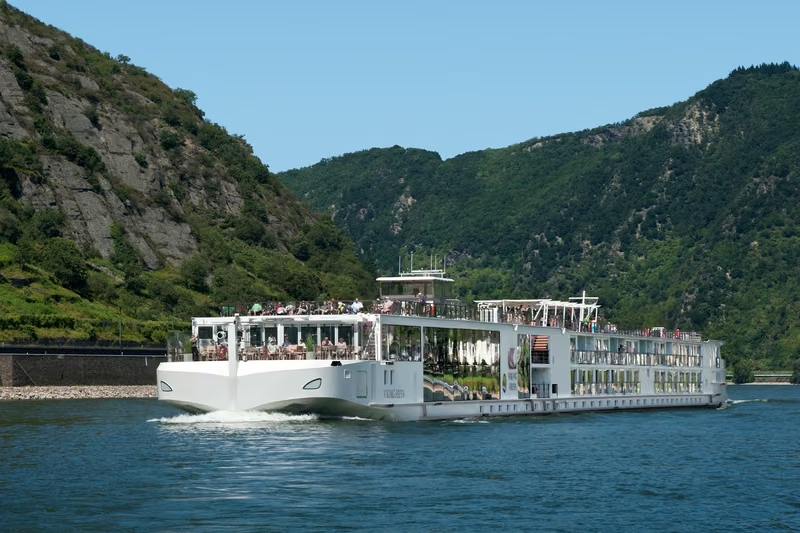
This itinerary is sailed by one of Viking's European Longships, built for the Rhine, Main and Danube. The ship is confirmed when you book. Every Longship has river-view staterooms with the Viking Explorer bed and heated bathroom floors, plus the Aquavit Terrace at the bow, a lovely spot for the Middle Rhine sailing.
Spring brings blossom and quieter towns, while summer offers long, warm evenings on deck. Many people like early autumn best, because the vineyards along the Main and Rhine turn gold and the grape harvest is under way. Cruises run through the main season, so we can help you choose dates that suit.
You need to be comfortable walking on uneven ground. Bamberg and Würzburg have cobbled and sloping streets, and some sights involve steps. The Middle Rhine and Spessart sailings are relaxing days on board, which balances things out. If you have mobility concerns, talk to us before booking and we will check with Viking.
Return flights from London and selected regional airports are included. You fly out to Germany for the start in Nuremberg and fly home from Amsterdam at the end. If you buy your flights through Viking, transfers between the airports and the ship are included too. We can tell you which UK airports are available for your date.
Yes. When we checked in October 2026, Viking offered pre-cruise extensions in Prague, a Prague Premium option and a combined Prague and Nuremberg stay. After the cruise you could add two nights in Amsterdam, standard or premium, or a fully guided stay in Bruges and Ghent. Ask us for current prices.
The cruise starts in Nuremberg and calls at Bamberg, Würzburg and Wertheim on the Main. After a scenic sailing through the Spessart, the ship sails the Middle Rhine to Koblenz, then continues to Cologne. It crosses into the Netherlands for Kinderdijk and finishes in Amsterdam, eight days after you set off.
You might also like
Rhine & Main Explorer
Eleven days from Nuremberg to Basel, through the wine towns of Franconia and down the Rhine to Alsace and the Swiss border.
Rhine Getaway
Eight days down the Rhine from the Swiss border to the canals of Amsterdam, with Alsace, the castle country of the Middle Rhine and Cologne along the way.
Grand European Tour
Fifteen days across the continent by water, from the bridges of Budapest to the canals of Amsterdam, linking the Danube, the Main and the Rhine.