The Rhône valley is where France keeps some of its best food, wine and Roman remains. This cruise follows the river north from sunny Provence to Lyon, with plenty of time at the table along the way.
The route
Avignon · Arles · Avignon · Viviers · Tournon · Rhône River · Vienne · Lyon
About the Lyon & Provence cruise
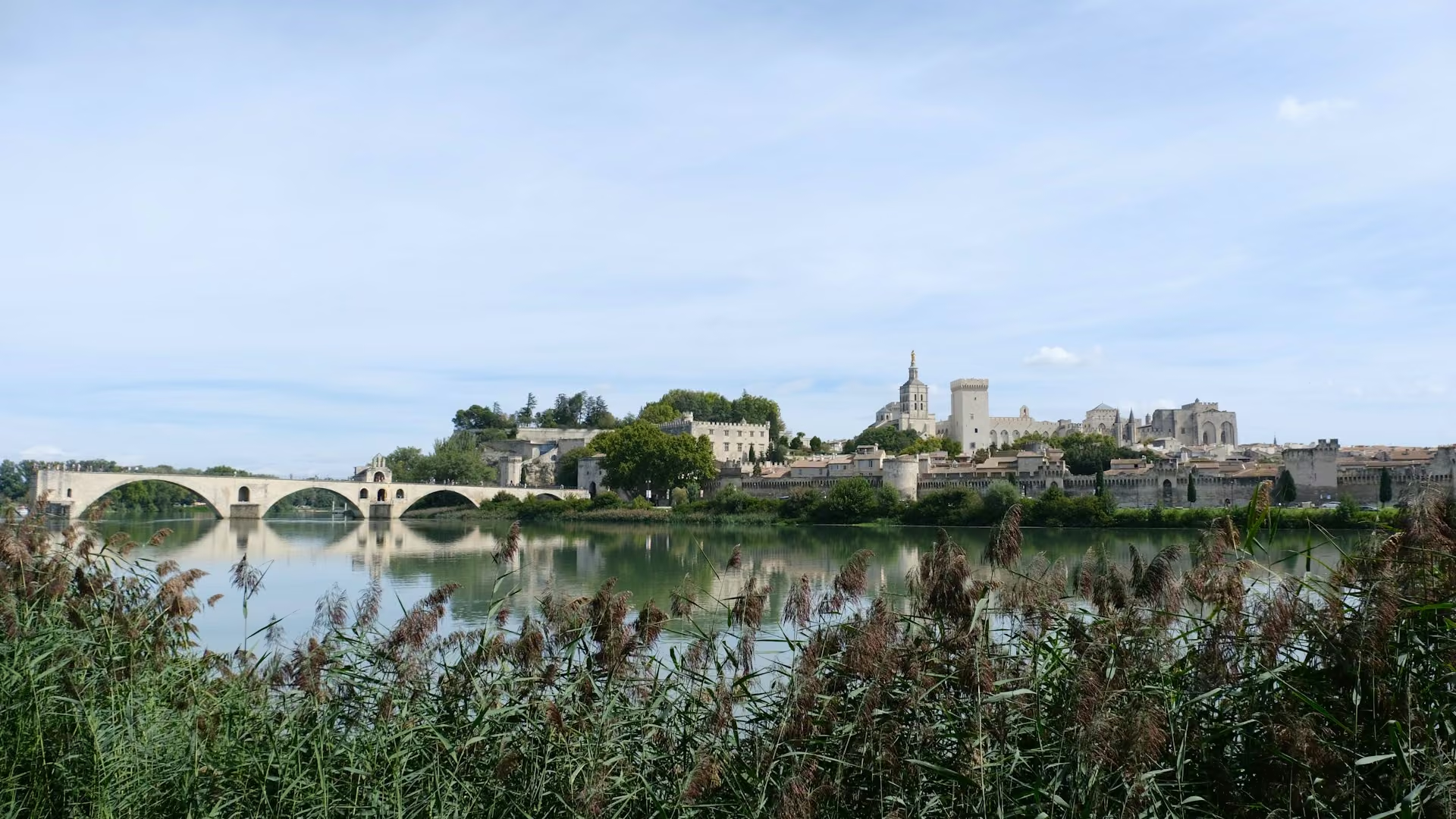
Lyon & Provence begins in Avignon, the walled city where the popes lived in the 14th century, and visits the Palace of the Popes, the largest Gothic palace in the world. From there you discover Roman Provence at the amphitheatre of Arles, known as Les Arènes, and at the Pont du Gard, the great aqueduct bridge built by the Romans. Back in Avignon you get a proper taste of the region, with local wines and French delicacies, before the ship heads north up the Rhône.
Upriver the scenery changes. Viviers is a quiet old cathedral town with mountains behind it, and at Tournon you ride the Train de l'Ardèche, a heritage railway through the green valley of the Doux. The ship then sails past steep, terraced vineyards to Vienne, a Roman city with a temple still standing in its main square. The programme also lets you hunt for truffles and see how chèvre, the local goat's cheese, is made, all in the countryside that inspired painters such as Cézanne and Chagall.
The journey ends with three days in Lyon, including a visit to the vineyards and villages of Beaujolais. You travel on a Viking Longship with river view staterooms, and a guided shore excursion is included in every port, as are all meals on board, beer, wine and soft drinks with lunch and dinner, Wi-Fi, port taxes and onboard gratuities. Return flights from London and selected UK regional airports are included, with transfers when you book Viking's flights. Fares start from £2,295 per person, checked in October 2026, and vary with date and stateroom.
For more on the river itself, see our The Rhône and Saône river cruise guide.
Cruise highlights
Palace of the Popes
Explore the vast Gothic palace that was the seat of the papacy for much of the 14th century, and see the famous half-bridge of Avignon.
Roman Arles
A Roman amphitheatre still in use today, Romanesque monuments and the streets where Van Gogh painted some of his best-known work.
A taste of Provence
Sample local wines and French delicacies in Avignon, the heart of a region famous for its food.
The Train de l'Ardèche
A nostalgic railway ride from Tournon through the green valley of the Doux.
Roman Vienne
See the Temple of Augustus and Livia and the city's great Roman theatre, cut into the hillside above the Rhône.
Lyon and Beaujolais
Three days in France's food capital, including a trip into the vineyards and golden-stone villages of Beaujolais.
Watch the Lyon & Provence cruise
Video: Lyon & Provence (Viking Cruises)
Day by day itinerary
Arrive in Avignon
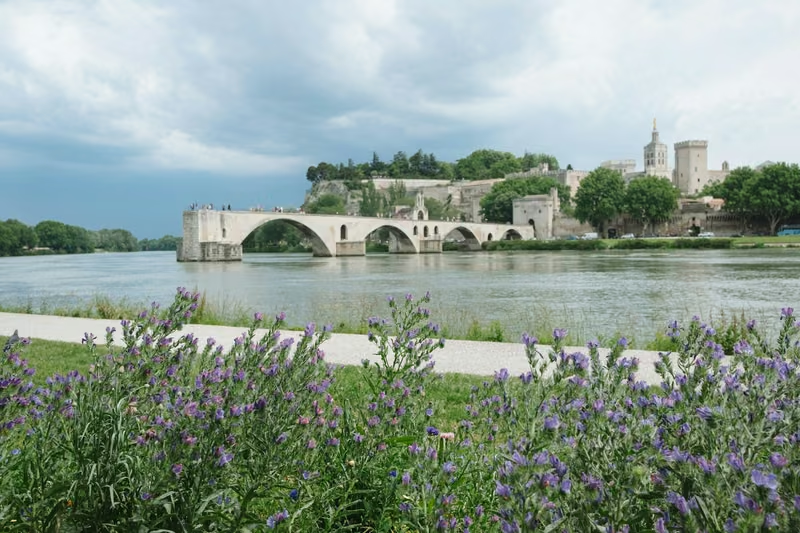
Your cruise begins in Avignon, a city still wrapped in its medieval ramparts on the banks of the Rhône. For most of the 14th century it was the home of the popes, and their great fortified palace still rises above the rooftops. Today you walk through the old city to see the Palace of the Popes, the Place de l'Horloge, the main square lined with cafés and the theatre and town hall, and the Pont d'Avignon. Properly called the Pont Saint-Bénezet, the bridge once stretched right across the river, but only four of its arches survive, ending abruptly in mid-stream. You probably know the song about dancing on it.
Roman and Romanesque Arles
Arles has been an important city since Roman times, and its Roman and Romanesque monuments are listed by UNESCO. The amphitheatre, Les Arènes, was built towards the end of the 1st century AD and is still used for events, while the ancient theatre stands nearby. The church of St Trophime has one of the finest Romanesque carved portals in Provence. Arles is also the town where Vincent van Gogh lived from 1888 to 1889, painting works such as Café Terrace at Night and Starry Night over the Rhône. Beyond the town lies the Camargue, the wild delta of the Rhône, famous for its white horses.
A taste of Provence
Back in Avignon, today is about the food and wine of Provence. Sample local wines and French delicacies, from olives and tapenade to goat's cheeses, lavender honey and the sweet, almond-based calissons of the region. The vineyards around Avignon include those of Châteauneuf-du-Pape, the village where the popes built a summer castle and whose red wines are now among the most famous in France. Avignon itself is a pleasure to explore at your own pace. Each July the city hosts the Festival d'Avignon, one of the world's great theatre festivals, founded in 1947, when the streets fill with performers.
Peaceful Viviers
After the bustle of Avignon, Viviers feels wonderfully calm. This small riverside town has been the seat of bishops since the 5th century, and its old upper town, with narrow lanes and stone houses, climbs to the Cathedral of St Vincent, which dates from the 11th and 12th centuries. From the terrace beside the cathedral you look out over the Rhône and the hills of the Ardèche, with mountains rising beyond. It is a place for slow wandering rather than sightseeing, with quiet squares, carved doorways and views at every turn. Many guests say it is the stop that surprised them most.
A heritage railway and Roman Vienne
From Tournon you ride the Train de l'Ardèche, a nostalgic railway that climbs through the green valley of the Doux. Across the Rhône from Tournon lies Tain-l'Hermitage, with its famous Hermitage vineyards on the hill above the town. Back on board, the ship sails past dramatic landscapes and steep terraces of vines, including those of the northern Rhône. In the afternoon you reach Vienne, an important Roman city. Here you see the Temple of Augustus and Livia, still standing in the old town after 2,000 years, and the vast Roman theatre set into the hillside, today the venue for a summer jazz festival.
Discovering Lyon
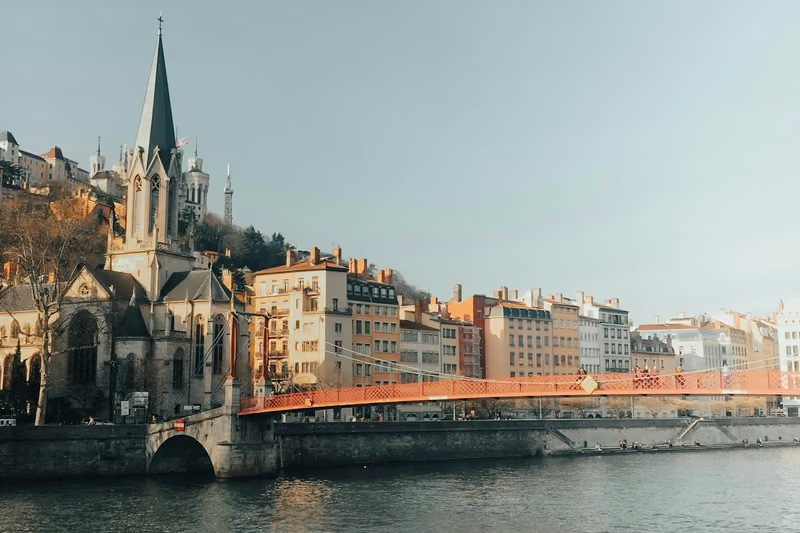
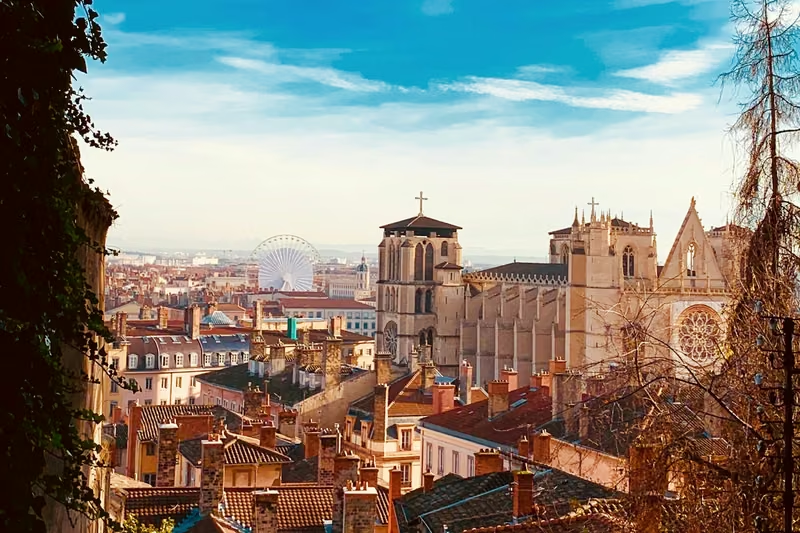
Lyon sits where the Saône flows into the Rhône, and it has been a major city since the Romans founded Lugdunum here in 43 BC. On today's walk you see the Basilica of Notre-Dame de Fourvière, the white hilltop church built in the late 19th century, and the Gothic Cathedral of St Jean in Vieux Lyon, where Henri IV married Marie de' Medici in 1600. Vieux Lyon is part of the city's UNESCO World Heritage Site, and its Renaissance lanes hide traboules, covered passages that silk workers used to carry their cloth. Lunch in a traditional bouchon, perhaps with quenelles, is highly recommended.
Into Beaujolais
Today you leave the city for Beaujolais, the hilly wine region just north of Lyon. Vineyards of Gamay grapes cover the slopes, dotted with small villages, farmhouses and châteaux. In the southern part of the region, the villages of the Pierres Dorées are built from a warm, honey-coloured stone that glows in the afternoon light. Further north are the ten Beaujolais crus, including Fleurie, Morgon and Moulin-à-Vent, whose wines are richer than the light Beaujolais Nouveau released each November. It is a lovely, gentle landscape, and a fine way to spend your final full day.
Farewell in Lyon
Your cruise ends in Lyon. Say goodbye to the crew and your fellow guests, and if you have booked Viking's flights, a transfer will take you to the airport for your flight home to the UK. If you have time to spare, or have added the post-cruise extension, Lyon has plenty more to offer. The covered food market Les Halles de Lyon Paul Bocuse is a treat for anyone who loves cheese, charcuterie and pastries, and the Musée des Beaux-Arts holds one of the finest art collections in France outside Paris. The Presqu'île, between the two rivers, is good for shopping and cafés.
Itineraries and shore excursions are set by Viking and can change, and may vary by departure.
The places you will visit
Avignon and the popes
In 1309 Pope Clement V, a Frenchman, settled in Avignon rather than return to a turbulent Rome, and for most of the next seven decades the papacy was based here. Seven popes in succession lived in the city, and they built the Palace of the Popes, mostly in the 1330s and 1340s under Benedict XII and Clement VI. It is the largest Gothic palace in the world, part fortress and part luxurious court, and its scale still astonishes visitors. The papacy returned to Rome in 1377, although rival popes continued to live in Avignon for some years afterwards.
The papal court brought wealth, artists and writers to Avignon. The Italian poet Petrarch lived in the area and saw his beloved Laura here for the first time, in a church in 1327. The popes also left their mark on the countryside. Pope John XXII built a summer castle at Châteauneuf, which is why the village and its wines are called Châteauneuf-du-Pape. Today the palace, the cathedral, the bishops' buildings and the Pont Saint-Bénezet are listed together by UNESCO, and the city fills with theatre every July.
Roman Provence: Arles, Vienne and the Pont du Gard
The Romans arrived in southern Gaul more than a century before the birth of Christ, and they called it Provincia, which is where the name Provence comes from. Arles became a Roman colony under Julius Caesar, and it grew into one of the most important cities of the region. Its amphitheatre, built around the end of the 1st century AD, held around 20,000 spectators, and in the Middle Ages it was turned into a small fortified town, with houses built inside its arches. Today it hosts bullfights and the more gentle Camargue races, in which no bull is killed.
The Pont du Gard shows how ambitious Roman engineering could be. Built in the 1st century AD, it carried an aqueduct across the River Gardon on three tiers of arches, bringing water to the Roman city of Nîmes, and at about 50 metres it is the tallest of all Roman aqueduct bridges. Further north, Vienne was another wealthy Roman city. Its Temple of Augustus and Livia survived because it was used as a church and later for other purposes, and its Roman theatre, once among the largest in Gaul, now hosts the Jazz à Vienne festival each summer.
Lyon, capital of French food
Lyon was founded as Lugdunum in 43 BC and became the capital of Roman Gaul, and the Emperor Claudius was born here. In the 16th century it became one of Europe's great silk cities, and by the 19th century thousands of weavers worked looms in the Croix-Rousse district. Joseph Marie Jacquard, the inventor of the punched-card loom, was a Lyonnais. Lyon was also the birthplace of cinema. The Lumière brothers filmed workers leaving their factory in the city in 1895, and the site is now a museum of film.
Lyon's reputation for food is long established. It began with the mères lyonnaises, women cooks who ran simple restaurants serving honest, local dishes, and continued with chefs such as Paul Bocuse, who held three Michelin stars for more than half a century. The city's bouchons serve hearty specialities such as quenelles, sausage cooked with lentils and pink praline tart. The surrounding area supplies the ingredients, from Bresse chicken to Charolais beef and the wines of Beaujolais and the northern Rhône. Every December the city celebrates the Fête des Lumières, when buildings are lit up across Lyon.
What is included
Viking prices its river cruises to include most of what you need, so there are few extras to budget for once you are on board.
Return flights
Return flights from London and selected regional airports, with ground transfers included when you fly with Viking.
A shore excursion in every port
One included shore excursion in each port of call, usually a guided walking or coach tour, with optional extras to buy.
All meals on board
Breakfast, lunch and dinner every day you are on board, including al fresco dining on the Aquavit Terrace.
Drinks with lunch and dinner
Beer, wine and soft drinks served with lunch and dinner, plus specialty coffee, tea and bottled water at any hour.
Free Wi-Fi
Wi-Fi is included on board at no extra charge, though speeds can vary as the ship moves along the river.
Port taxes and fees
Port taxes and fees are built into the fare, so there are no extra charges waiting at the end.
Onboard gratuities
Gratuities for the crew on board are included in the fare.
Enrichment and performances
Talks on the history and culture of your route, plus local performers who bring the destinations to life on board.
Your stateroom, the ship and its facilities are covered on our Viking Longships page.
Fares
| Cruise | Duration | From, per person |
|---|---|---|
| Lyon & Provence, Avignon to Lyon | 8 days | £2,295 |
Lead-in fare per person, checked in October 2026. Viking's fares change with the date, direction of sailing and stateroom grade, so please email us for live prices and availability on the departure you have in mind.
Interested in the Lyon & Provence? Email us your preferred month and we will send dates and prices.
Email an enquiry- Best time to go: spring and early autumn. April to June is warm and green, with lavender coming into flower in early summer, and September and October bring the grape harvest.
- Avignon is a compact walled city, easy to explore on foot, so arriving a day early is a relaxed way to start.
- The pace is gentle, with one or two stops a day and plenty of time for long lunches. Expect cobbles and some climbs in Viviers and Lyon.
- This cruise suits food and wine lovers and anyone interested in Roman history and art. It pairs well with a few days on the French Riviera or in Paris.
- Fares start from £2,295 per person, checked in October 2026. Prices change with departure date and stateroom grade.
Lyon & Provence: your questions answered
The fare includes return flights from London and selected UK regional airports, a river view stateroom, all meals on board, beer, wine and soft drinks with lunch and dinner, specialty coffee, tea and bottled water around the clock, Wi-Fi, port taxes, onboard gratuities and one guided shore excursion in every port. Transfers are included with Viking's flights.
This itinerary uses one of Viking's Longships, with clean Scandinavian design and river views from every stateroom. The exact ship varies by departure, so ask us and we will confirm which one sails on your chosen date and send you its details.
Spring and autumn are ideal. April, May and June bring warm, sunny days and flowers in the countryside, with lavender usually blooming from late June into July. July and August can be very hot in Provence. September and October bring harvest time in the vineyards and pleasant temperatures for exploring Roman sites.
Expect a fair amount of walking on uneven surfaces, especially in Avignon, Arles and Lyon's old town, as well as some climbs in Viviers and to Fourvière hill. The heritage railway at Tournon and the Beaujolais visit are easier days. You can always go at your own pace or stay on board.
Yes. Return flights from London and selected UK regional airports are included, out at the start of the cruise and home again at the end. Choices vary by departure, so let us know your preferred airport and we will check. Transfers between the airport and the ship are included when you book Viking's flights.
Yes. Viking offers a pre-cruise extension on the French Riviera and a post-cruise extension in Paris on this itinerary. Both are a great way to see more of France. Options and prices change, so ask us for the latest details for your chosen date.
The cruise begins in Avignon and calls at Arles, Avignon again, Viviers, Tournon and Vienne, with a scenic sailing on the Rhône, before ending with three days in Lyon. The programme also features the Pont du Gard, truffle hunting and a chance to see chèvre cheese being made.
You might also like
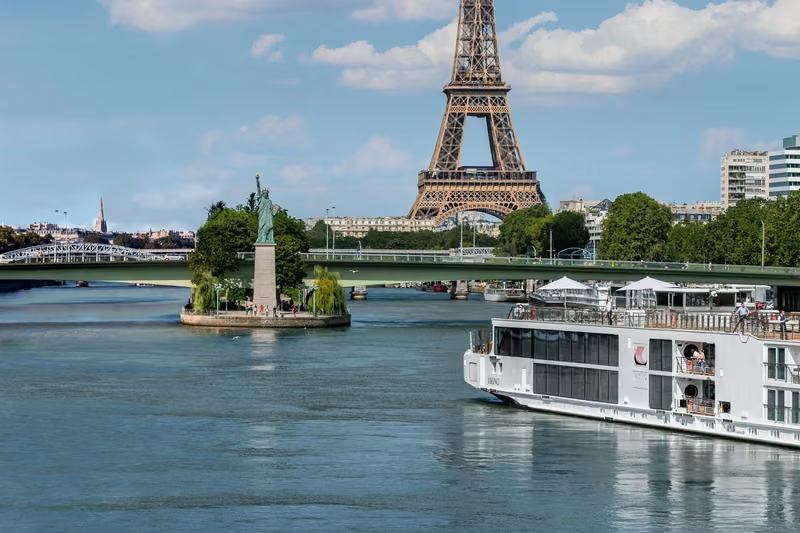
France's Finest
Fifteen days, two rivers and the best of France, from Paris and the Normandy beaches to the vineyards of the Rhône and the Roman towns of Provence.
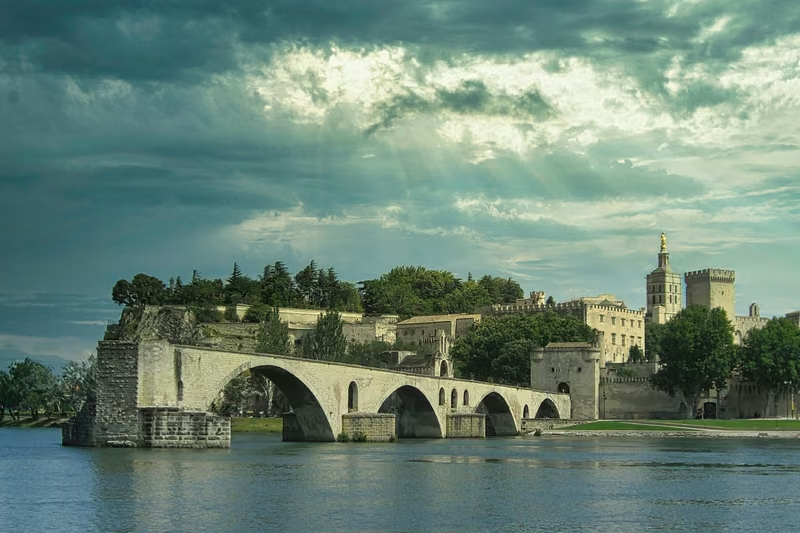
Lyon, Provence & the Rhineland
Fifteen days from the papal city of Avignon to the canals of Amsterdam, sailing two great wine rivers and crossing four countries on the way.
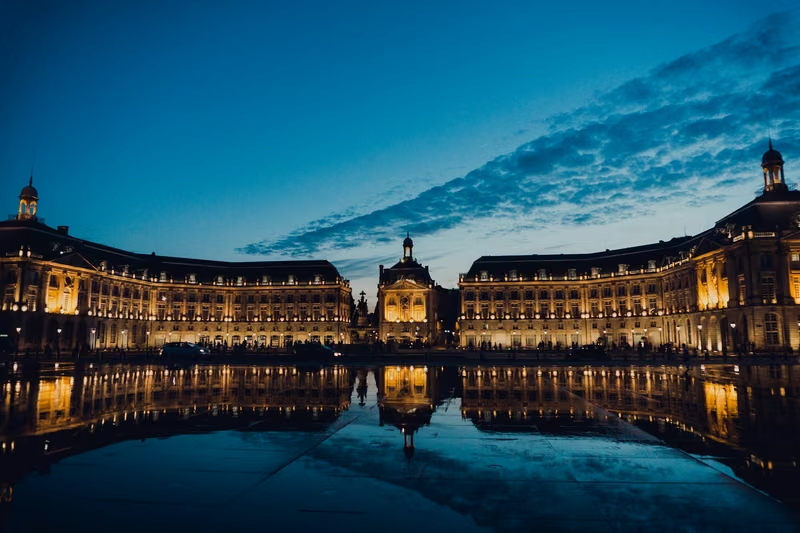
Châteaux, Rivers & Wine
A week on the rivers of Bordeaux, sailing round trip from the city to the vineyards of Saint-Émilion, the Médoc and Sauternes.