Bordeaux is one of the most famous wine regions in the world, and the best way to see it may well be from the water. Three rivers, the Garonne, the Dordogne and the wide Gironde estuary they form, link the city to the villages and châteaux whose names you will know from wine labels.
The route
Bordeaux · Dordogne River · Libourne · Bourg · Blaye · Pauillac · Bordeaux · Garonne River · Cadillac (Sauternes) · Bordeaux
About the Châteaux, Rivers & Wine cruise
This cruise starts and finishes in Bordeaux, a handsome city of pale stone squares and broad riverside quays that has been transformed over the past few decades. Your Viking Longship moors on the riverfront, so the Grand Théâtre, the Place de la Bourse and the rest of the UNESCO-listed Port of the Moon are close at hand. Bordeaux is also a great place to eat, and oysters from the nearby coast are a local favourite.
From the city you sail up the Dordogne to Libourne, a riverside market town and the gateway to Saint-Émilion and Pomerol. Then you follow the river back down to the Gironde estuary for the old village of Bourg and the great hilltop citadel at Blaye, before crossing to Pauillac, at the heart of the Médoc and home to some of the most celebrated châteaux of all. Each stop is a short sail from the last, so the ship spends much of its time moored and there is plenty of time ashore.
The final days take you up the Garonne past Bordeaux to Cadillac, in Sauternes country, where sweet white wines are made from grapes touched by noble rot. Viking's overview of this cruise also takes in a truffle hunt in Périgord, the chance to create your own Cognac blend at the Camus distillery and oysters at Arcachon, so there is much more to the region than wine alone. Sauternes is one of the great dessert wines, and in this part of France it is often served with foie gras.
This part of France was once the core of Aquitaine, the duchy that passed to the English crown with Eleanor of Aquitaine and remained English for 300 years. That history still shows in the castles, the fortified towns and the long British love of claret. It is a relaxed, food-focused week that suits wine lovers in particular. The English connection is still strong today, and many British visitors feel at home here. Expect long lunches, good wine and a slower rhythm than on many river cruises.
For more on the river itself, see our Bordeaux Rivers river cruise guide.
Cruise highlights
Bordeaux, the Port of the Moon
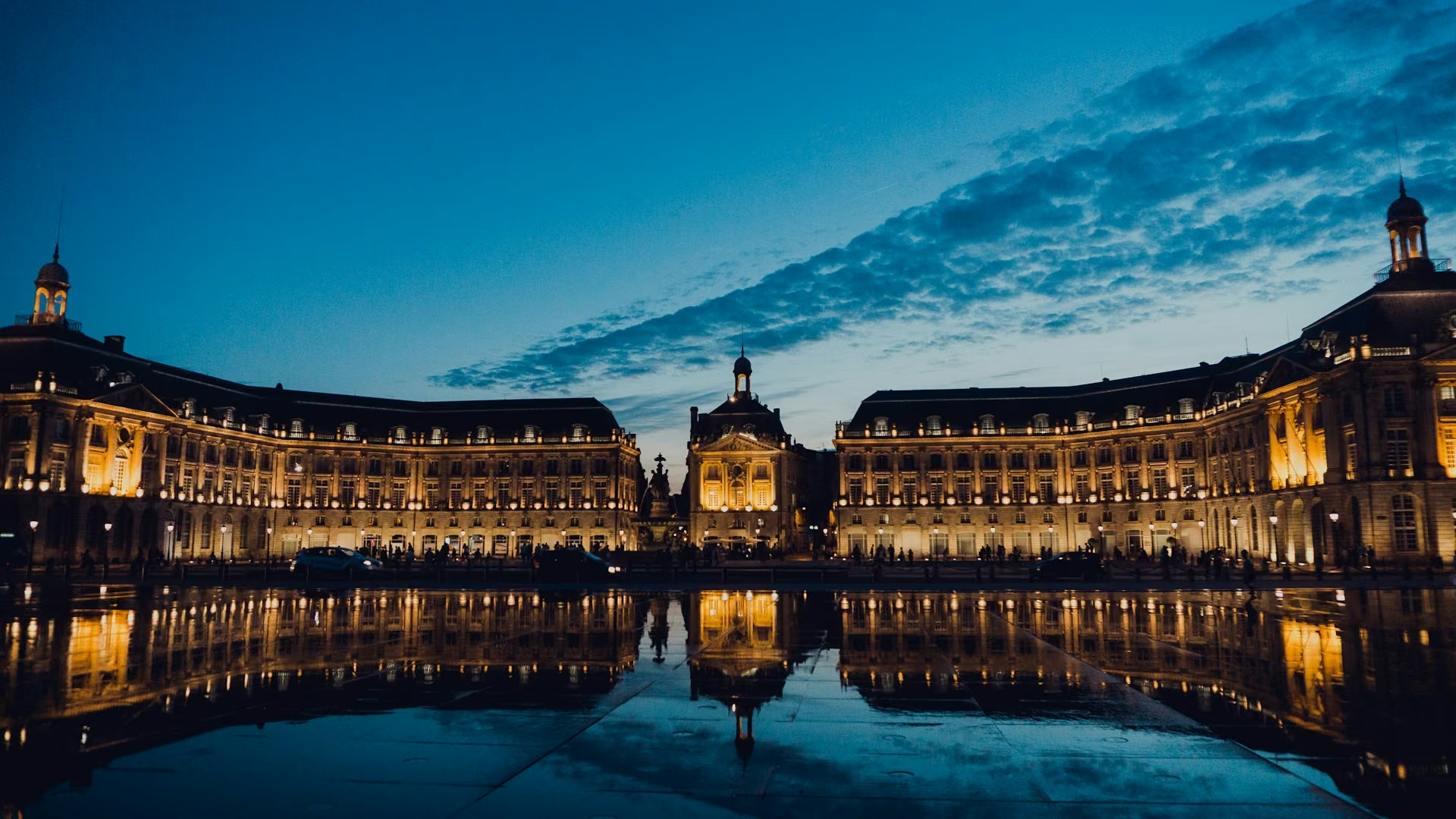
Explore a UNESCO-listed city of 18th-century squares, the elegant Grand Théâtre and the Place de la Bourse with its Water Mirror.
Libourne and Saint-Émilion country
Spend time in a 13th-century riverside town that serves as the gateway to the famous vineyards of Saint-Émilion and Pomerol.
The citadel of Blaye
Walk the ramparts of a 17th-century fortress, part of the UNESCO-listed Fortifications of Vauban, with wide views of the Gironde.
Pauillac and the Médoc
Visit a château in the Médoc and sample its wines on the estuary's left bank, where some of the world's most famous estates are found.
Sauternes and Cadillac
See the grand castle at Cadillac and discover the sweet wines of Sauternes country.
Truffles, Cognac and oysters
The cruise also offers truffle hunting in Périgord, a personal Cognac blend at the Camus distillery and fresh oysters at Arcachon.
Watch the Châteaux, Rivers & Wine cruise
Video: Châteaux, Rivers & Wine (Viking Cruises)
Day by day itinerary
Welcome to Bordeaux
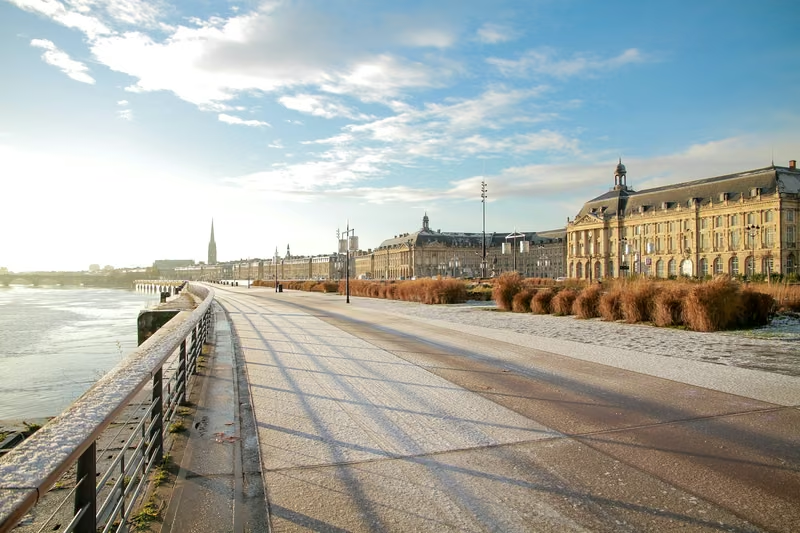
Your cruise begins in Bordeaux, where your Longship is moored along the city's historic waterfront. Once you have settled in, set out to see some of the landmarks. The Grand Théâtre, with its row of tall columns, is one of the finest 18th-century theatres in France, and the streets around it are full of shops, cafés and wine bars. The whole riverside, curving in the shape of a crescent moon, is the reason the old port is called the Port of the Moon and is a UNESCO World Heritage Site.
Oysters, wine and the Dordogne
Bordeaux is a city that takes its food seriously, and this morning you can pair local wines with regional dishes, including oysters from the Atlantic coast nearby. Later the ship sets off downriver and turns into the Dordogne, sailing past farmland and riverside villages. In the afternoon you reach Libourne, at the point where the Isle flows into the Dordogne. Look out for the remains of the old town walls, the clock tower by the river and the Gothic church, and take a stroll around the arcaded central square.
The wines of the right bank
Libourne was founded in the 13th century as a riverside bastide, a planned town, and became an important port for the wine trade with England. Today it is surrounded by some of the most sought-after vineyards in Bordeaux, including those of Saint-Émilion and Pomerol, where Merlot is the main grape. Spend the day enjoying the wines and food of the area, perhaps with lunch in the town's market square, the Place Abel Surchamp, lined with arcades and cafés. It is an easy place to while away an hour.
Villages and a fortress on the Gironde
This morning you visit Bourg, a small historic village close to the point where the Dordogne joins the Garonne to form the Gironde estuary. Stroll its cobbled streets and look out over the water from the upper town. In the afternoon the ship sails a short distance to Blaye, home to a large star-shaped citadel built in the late 17th century to designs by Vauban, Louis XIV's great military engineer. It is now part of a UNESCO World Heritage Site. Within the walls you can see the ruins of a Gothic castle.
The heart of the Médoc
Pauillac sits on the left bank of the Gironde, in the Médoc, and is surrounded by some of the most famous vineyards in the world. Three of the five estates now ranked as first growths under the 1855 classification of Bordeaux wines are found here. Take in the views along the estuary and the flat, gravelly vineyards that stretch back from the river. Then visit a château to learn how the wines are made and aged, and sample a few of its vintages. Pauillac's wines are known for their depth and long life.
Back in Bordeaux
The ship returns to Bordeaux, giving you a second chance to explore the city. Head for the Place de la Bourse, one of the most elegant squares in France, built in the 18th century as a showpiece for the city. In front of it lies the Water Mirror, a thin sheet of water that reflects the buildings perfectly and is especially lovely in the evening. Spend some time admiring the city's honey-coloured stone architecture before the ship sails up the Garonne, past vineyards on the hillsides.
Cadillac and Sauternes
Cadillac is a small walled town on the Garonne, close to the sweet wine villages of Sauternes and Barsac. Its main sight is the Château des Ducs d'Épernon, a grand residence built in the early 17th century by the first Duke of Épernon, a powerful favourite of the French kings. The town shares its name with the American car brand, which was named after Antoine de la Mothe Cadillac, the French adventurer who founded Detroit. In the afternoon, sail back along the Garonne, a busy waterway connecting southwestern France with the Atlantic.
Au revoir Bordeaux
Your cruise ends in Bordeaux this morning. After breakfast it is time to say goodbye to the crew and the friends you have made on board. If you have booked Viking flights, you will be transferred to the airport for your journey home to the UK. If you would like longer in France, Viking offers optional extensions, so you can stay on and see more of the area. Bordeaux has plenty to keep you busy for a few more days, including the Cité du Vin wine museum.
Itineraries and shore excursions are set by Viking and can change, and may vary by departure.
The places you will visit
Bordeaux and the English connection
In 1152, Eleanor of Aquitaine married Henry Plantagenet, who two years later became Henry II of England. Her lands in southwestern France, including Bordeaux, came with her, and for 300 years the region was ruled by the English crown. During that time Bordeaux shipped huge quantities of wine to England, and the light red wine the English called claret became part of English life. The link was broken in 1453, when the French won the Battle of Castillon, not far from Libourne, and the Hundred Years' War came to an end.
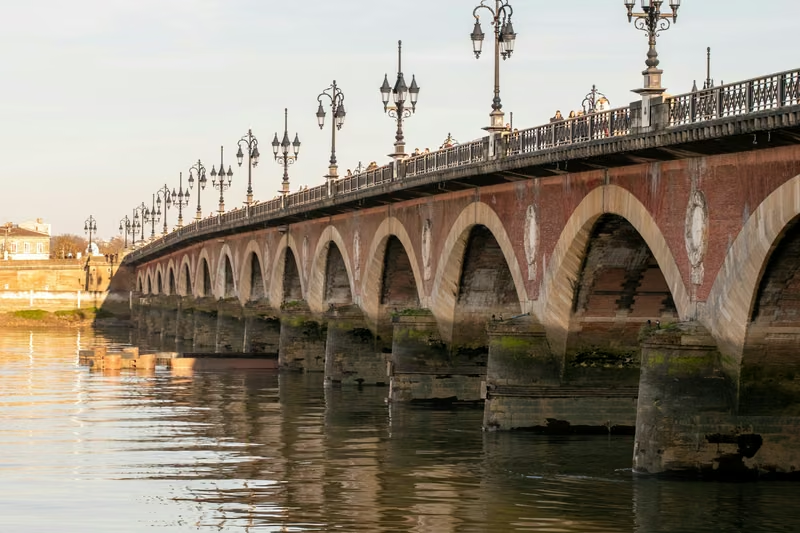
Bordeaux's present look dates mostly from the 18th century, when the city grew rich on trade and rebuilt itself in pale limestone. The Place de la Bourse and the Grand Théâtre, opened in 1780 and designed by Victor Louis, date from that time. For much of the 20th century the stone was blackened and the quays were lined with warehouses, but a major regeneration cleaned the façades and opened the waterfront. In 2007 the historic port area was listed by UNESCO as the Port of the Moon.
Left bank, right bank: the wines of Bordeaux
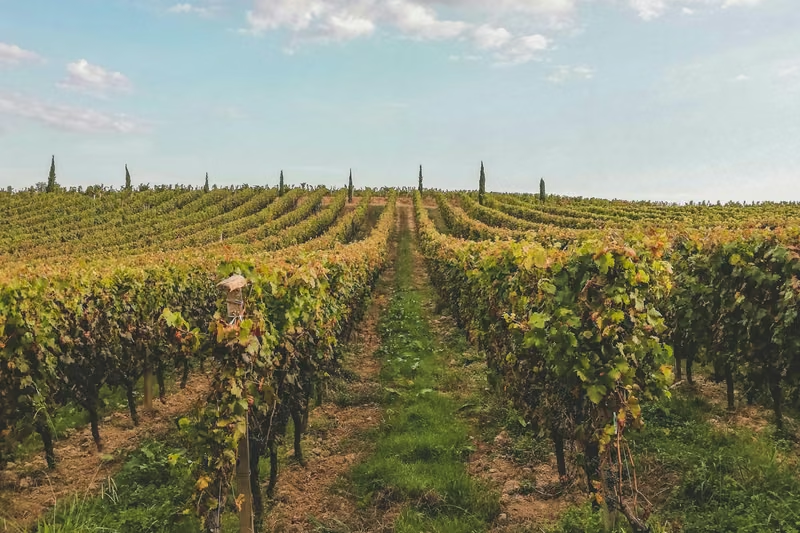
Bordeaux wine lovers talk about the left bank and the right bank. The left bank, on the western side of the Garonne and Gironde, includes the Médoc and Graves, where gravel soils suit Cabernet Sauvignon. Pauillac is its most famous village, home to Château Lafite Rothschild, Château Latour and Château Mouton Rothschild, all first growths in the classification drawn up for the Paris Exposition of 1855, although Mouton was only promoted to that rank in 1973. These wines are firm and long-lived, and the best can age for decades. On both banks, most red wines are blends of several grape varieties.
The right bank, around Libourne, has more clay and limestone, and Merlot does well there. Saint-Émilion, a hilltop town with a church carved out of the rock, is surrounded by vineyards that are listed by UNESCO, and nearby Pomerol produces some of the most expensive wines in the world. Further south, Sauternes makes sweet wines from grapes affected by noble rot, a fungus that shrivels the grapes and concentrates their sugar. Autumn mists from the River Ciron, which meets the Garonne here, help it develop.
Blaye, Vauban and the Gironde estuary
The Gironde is the wide estuary formed where the Garonne and the Dordogne meet below Bourg, and for centuries it was the main route into Bordeaux by sea. In the late 17th century, Louis XIV asked his chief military engineer, Sébastien Le Prestre de Vauban, to protect it. Vauban designed a defensive line across the estuary, with the citadel at Blaye on the east bank, Fort Paté on an island in the middle and Fort Médoc on the west bank. Together they could cover the river with cannon fire.
The citadel at Blaye is a large fortified area with its own streets, gates and buildings, and its ramparts look out over the islands of the Gironde. Inside the walls are the ruins of an older castle, the Château des Rudel, linked to the medieval lords of Blaye. In 2008 the citadel and its two forts were listed by UNESCO as part of the Fortifications of Vauban. The surrounding Côtes de Bourg and Blaye vineyards produce good value red wines, and Bourg itself is a quiet, attractive village above the water.
What is included
Viking prices its river cruises to include most of what you need, so there are few extras to budget for once you are on board.
Return flights
Return flights from London and selected regional airports, with ground transfers included when you fly with Viking.
A shore excursion in every port
One included shore excursion in each port of call, usually a guided walking or coach tour, with optional extras to buy.
All meals on board
Breakfast, lunch and dinner every day you are on board, including al fresco dining on the Aquavit Terrace.
Drinks with lunch and dinner
Beer, wine and soft drinks served with lunch and dinner, plus specialty coffee, tea and bottled water at any hour.
Free Wi-Fi
Wi-Fi is included on board at no extra charge, though speeds can vary as the ship moves along the river.
Port taxes and fees
Port taxes and fees are built into the fare, so there are no extra charges waiting at the end.
Onboard gratuities
Gratuities for the crew on board are included in the fare.
Enrichment and performances
Talks on the history and culture of your route, plus local performers who bring the destinations to life on board.
Your stateroom, the ship and its facilities are covered on our Viking Longships page.
Fares
| Cruise | Duration | From, per person |
|---|---|---|
| Châteaux, Rivers & Wine, Roundtrip Bordeaux | 8 days | £2,495 |
Lead-in fare per person, checked in October 2026. Viking's fares change with the date, direction of sailing and stateroom grade, so please email us for live prices and availability on the departure you have in mind.
Interested in the Châteaux, Rivers & Wine? Email us your preferred month and we will send dates and prices.
Email an enquiry- Spring and early summer bring green vineyards and mild weather, while September and October are harvest time, with vineyards at their busiest and most colourful.
- The cruise is round trip from Bordeaux, so there is no need to travel between cities, and it is easy to add a few nights in the city before or after.
- The pace is gentle, with short sailing distances and plenty of time in each port. Some streets are cobbled, and the citadel at Blaye involves a little walking uphill.
- It particularly suits wine and food lovers, and anyone who prefers a slower, more relaxed week.
- The Gironde is tidal, so sailing times can vary a little. Your programme on board will confirm timings each day.
Châteaux, Rivers & Wine: your questions answered
Viking includes return flights from London and selected regional airports, one shore excursion in every port, all meals on board, beer, wine and soft drinks with lunch and dinner, 24-hour specialty coffee, tea and bottled water, free Wi-Fi, port taxes and fees, onboard gratuities, and enrichment lectures and performances. Airport transfers are included when you book Viking flights.
The cruise uses one of Viking's Longships, with the same Scandinavian design as the rest of the European fleet. All staterooms have river views, and the ship has a panoramic lounge, a sun deck and an outdoor terrace at the front for watching the estuary go by.
Prices start from £2,495 per person. This was checked in October 2026, and the fare depends on the departure date and stateroom you choose. Email enquiries@rivercruiseworld.co.uk and we will send you current prices for your dates. The price covers everything listed in the inclusions above.
Not at all. You do not need to know anything about wine to enjoy it, and the tastings are relaxed and informative. There is also plenty of history, from the English rule of Aquitaine to Vauban's fortress at Blaye, and lots of good food along the way.
Spring and early summer are pleasant and the vineyards are green. September and October bring the harvest, which many guests love, although some châteaux are very busy then. Summer is warm, so take sun protection for days on deck and in the vineyards.
Walking is generally light. The towns are small and mostly flat, although Bourg has an upper town, Blaye's citadel has a gentle climb and some streets are cobbled. If you have any mobility concerns, let us know and we can talk through the days with you.
Yes. Viking offers optional extensions so you can spend more time in the region after the cruise. Bordeaux is a lovely city for a few extra days, with excellent restaurants, the Cité du Vin and day trips into the vineyards. Ask us about the options.
You might also like
France's Finest
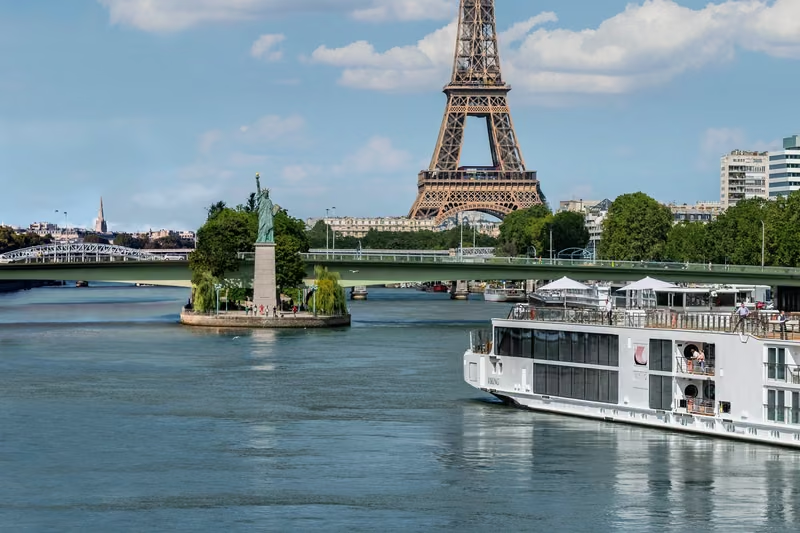
Fifteen days, two rivers and the best of France, from Paris and the Normandy beaches to the vineyards of the Rhône and the Roman towns of Provence.
Lyon & Provence
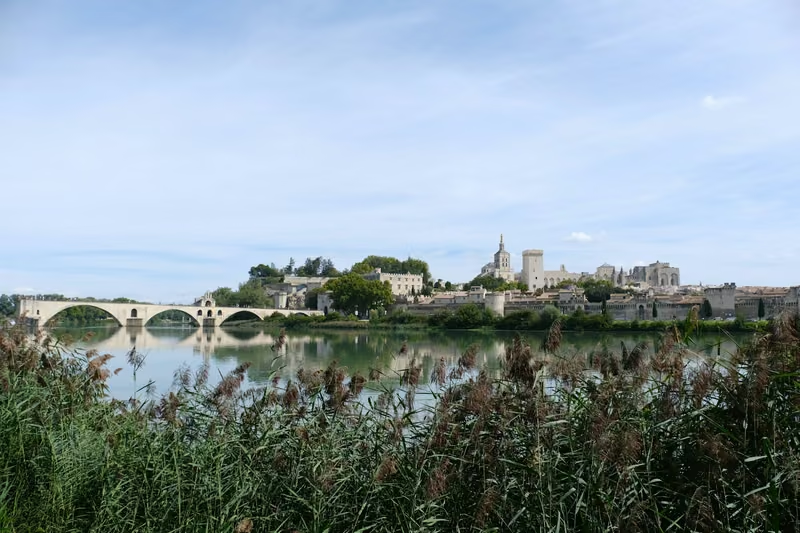
Eight days on the Rhône from the papal city of Avignon to Lyon, the capital of French gastronomy, through Roman Provence and terraced wine country.
Paris & the Heart of Normandy
Eight days on the Seine, starting and finishing in Paris, with Monet's garden, medieval Rouen and the Normandy beaches along the way.