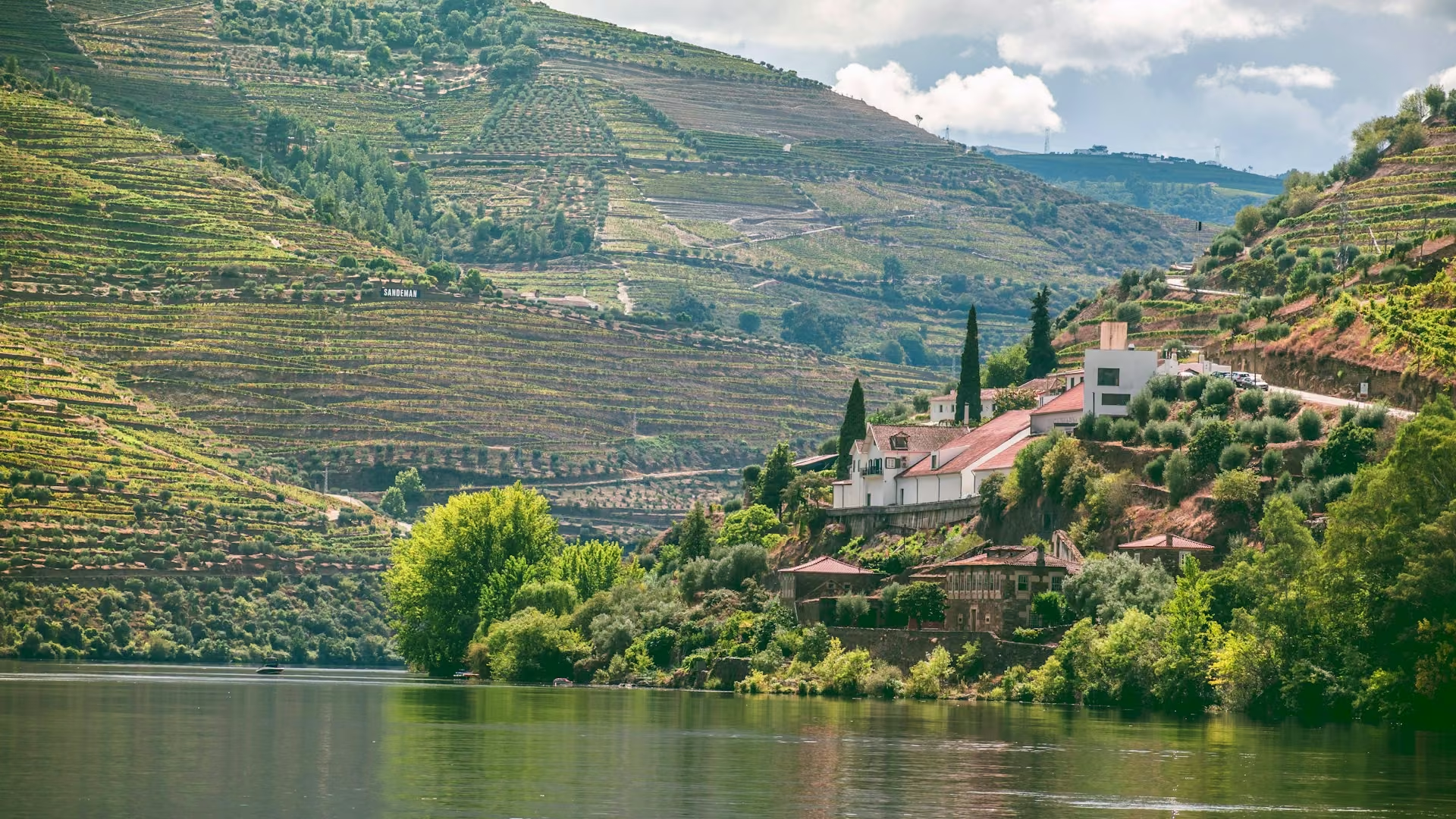
The Douro is unlike any other river cruise in Europe. The valley is steep, quiet and almost entirely given over to vines, and every turn of the river shows another hillside of stone terraces and whitewashed quintas. This round trip from Porto shows it at an easy pace.
The route
Porto · Régua · Pinhão · Barca d'Alva · Salamanca · Pinhão · Régua · Porto
About the Douro's Valleys & Vineyards cruise
You begin and end in Porto, a hilly city of tiled churches and steep lanes that tumble down to the river. Its old riverfront is UNESCO-listed, and on the opposite bank, in Vila Nova de Gaia, the port wine houses have aged their wines for centuries. It makes a fitting start to a cruise that is really about one thing, the wine of the Douro Valley and the landscape that produces it.
Upstream, the valley narrows and climbs, and the terraces grow steeper with every bend. Régua and Pinhão are the heart of port country. From here you visit the baroque Mateus Palace near Vila Real, learn how port is made and taste wine and olive oil at the quintas where they are produced. The ship also continues as far as Barca d'Alva, close to the Spanish border, where the landscape becomes wilder and emptier, with a visit to the hilltop village of Castelo Rodrigo and its old walls.
One of the highlights is a day in Spain. Salamanca is one of the oldest university towns in Europe, founded in the 13th century, and its golden sandstone buildings are among the most beautiful in the country. You see the university itself, the House of Shells, covered with carved scallops, and the grand Plaza Mayor, which many consider the finest square in Spain. After several days in small rural villages, it makes a striking contrast, and a good reminder of how close the two countries are along this stretch of the river.
The cruise suits wine lovers, food lovers and anyone who prefers rural scenery and small towns to big cities. Days on the river are relaxed, with time to sit on deck as the ship passes between terraced hills and through the Douro's deep locks, some of which lift the ship many metres in one go. Meals on board make the most of Portuguese produce and wine. As a round trip from Porto, it is also easy to arrange, with flights in and out of the same city.
For more on the river itself, see our The Douro river cruise guide.
Cruise highlights
Historic Porto
Explore the UNESCO-listed old town, its tiled churches and riverside quarter, and learn about the wine that took its name from the city.
Mateus Palace
Visit the elegant baroque manor near Vila Real, famous for its gardens and as the image on the Mateus Rosé label.
Port wine country
Learn about port production in Pinhão and visit quintas around Régua to see how the wine is made.
Castelo Rodrigo
Climb to a tiny walled hilltop village near the Spanish border, with wide views across the plateau.
A day in Salamanca
See the 13th-century university, the House of Shells and the grand Plaza Mayor in one of Spain's most handsome cities.
Scenic Douro sailing
Watch the terraced vineyards and rocky gorges roll past as the ship works its way through the valley's locks.
Watch the Douro's Valleys & Vineyards cruise
Video: Portugal’s Wine Country (Viking Cruises)
Day by day itinerary
Arrive in Porto
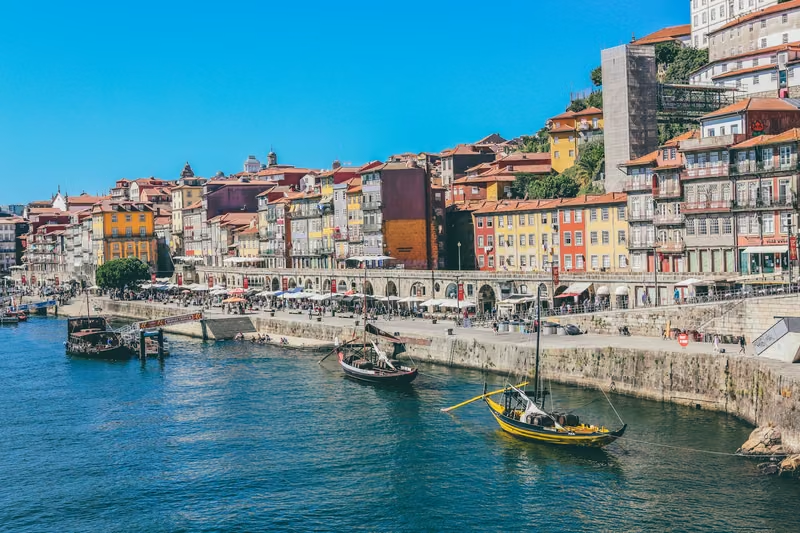
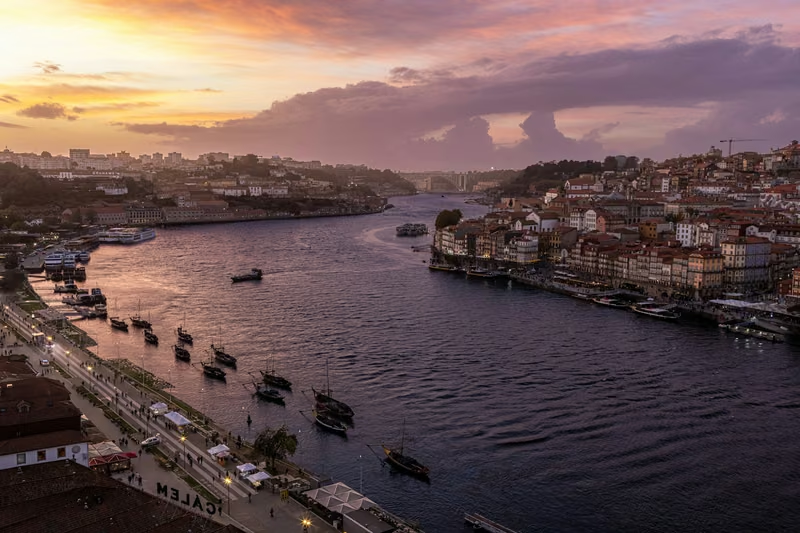
Your cruise begins in Porto, Portugal's second city and the place that gave its name to port wine. The historic centre is UNESCO-listed, a jumble of granite churches, tiled façades and narrow streets running down to the Ribeira waterfront. A tour introduces you to the city and to the story of its wine. Port is made upriver in the Douro Valley, then traditionally brought down to the lodges of Vila Nova de Gaia, on the south bank, to age. Many of the old wine houses still have their names in large letters on their roofs, facing the city across the river.
Mateus Palace and the heart of port country
From Régua you travel to Vila Real to visit Mateus Palace, an 18th-century baroque manor with an elaborate granite façade, a mirror-like pool and formal gardens. Its image is familiar to many from the label of Mateus Rosé wine. You will also taste some local wines. Later you continue to Pinhão, a small riverside town surrounded by some of the most famous vineyards in the Douro. This is the centre of port wine production, and the hillsides around it are lined with quintas. Pinhão's railway station is decorated with tiled panels showing scenes of Douro life, and local food is part of the visit.
Scenic sailing and Castelo Rodrigo
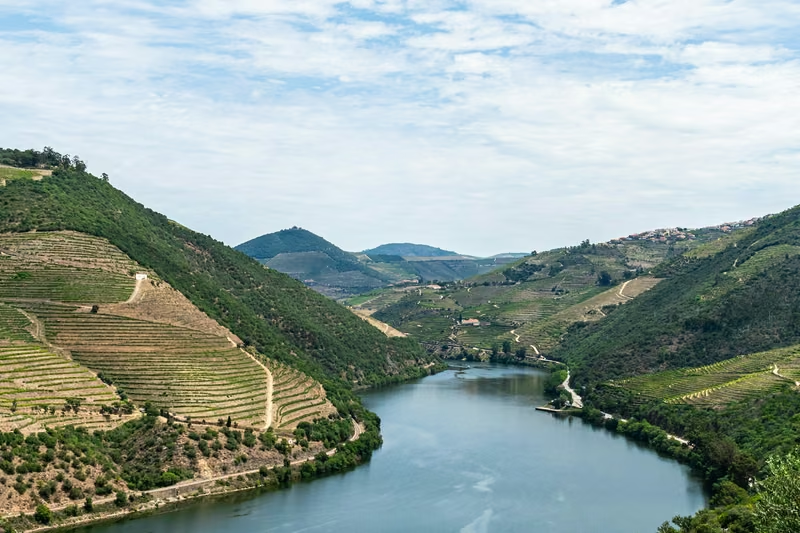
This morning the ship sails upstream through one of the most dramatic stretches of the Douro. The valley grows wilder towards the Spanish border, with rocky gorges, scrubby hillsides and terraced vineyards. In the afternoon you reach Barca d'Alva, a small village near the point where the Douro becomes the frontier with Spain. From here you visit Castelo Rodrigo, a tiny medieval village on a hilltop, still enclosed by its old walls, with sweeping views across the surrounding countryside. You will also have the chance to try some local drinks, a good way to end a day in this remote part of Portugal.
A day in Salamanca
Today you cross into Spain to visit Salamanca, one of Europe's oldest university towns and a UNESCO-listed city. The university was founded in the 13th century, and its ornate façade hides a small carved frog that visitors traditionally try to spot for luck. Nearby is the House of Shells, a late 15th-century mansion decorated with more than 300 carved scallop shells, which now houses a public library. The Plaza Mayor, built in the 18th century, is one of the finest squares in Spain and the natural place to stop for coffee. The city's golden sandstone glows warmly in the sun.
Olive oil and quinta visits
Back in the Douro, today is about the produce of the Alto Douro. Around Pinhão you discover the region's olive oil, which comes from groves planted alongside the vines on the dry hillsides, and learn what gives it its particular flavour. Later, near Régua, you visit quintas to see how wine is made, from the grape to the barrel. Many of these estates have been run by the same families for generations. The Douro was one of the first wine regions in the world to be officially demarcated, and the terraces you see were built by hand over centuries.
Portuguese flavours and a final day on the river
In Régua you enjoy a taste of Portugal, with local cheese, sausages and sweet treats. Look out for alheira, a smoked sausage made with poultry and bread, and sweets made with eggs and sugar, a speciality of Portuguese convents. Régua is also home to the Douro Museum, which tells the story of the region and its wine. Afterwards the ship sails back downstream, past the terraced vineyards and rocky banks you saw on the way up, through the locks that tame the river. It is a lovely, relaxed day to enjoy the views from the sun deck.
Bridges, cathedrals and azulejos
A final day in Porto gives you time to explore the city more fully. The Dom Luís I bridge, opened in 1886, has two levels and links Porto with Vila Nova de Gaia. It was designed by Théophile Seyrig, a former partner of Gustave Eiffel. Porto's churches are full of gilded baroque woodwork and its cathedral sits on a hill above the old town. Everywhere you look you will see azulejos, the painted tiles that decorate churches, houses and even the São Bento railway station, where large tile panels tell scenes from Portuguese history.
Farewell to Porto
Your cruise ends in Porto, where you say goodbye to your fellow guests and head home or stay on for longer. If you have extra time, Porto is a lovely city to linger in, with excellent restaurants, cafés and port lodges to visit. You could also take a day trip to Guimarães, often called the birthplace of Portugal, or to Braga with its hilltop sanctuary. Viking offers extensions on some departures, so ask us about the options available for your dates. Lisbon is also easy to reach from Porto by train.
Itineraries and shore excursions are set by Viking and can change, and may vary by departure.
The places you will visit
Port wine and the Douro landscape
The Alto Douro Wine Region was demarcated in 1756 by the Marquis of Pombal, the powerful minister of King José I, making it one of the oldest regulated wine regions in the world. The aim was to protect the quality and reputation of port, which had become hugely popular in Britain. British merchants played a big part in the trade, and many of the most famous port houses still have British names. The landscape itself was listed by UNESCO in 2001 for the way generations of growers have shaped the hillsides with stone terraces.
Port is a fortified wine, made by adding grape spirit to the wine during fermentation, which stops the process and leaves it sweet and strong. It was traditionally carried down the river to Porto in flat-bottomed boats called rabelos, which you may still see moored near the Ribeira. Today the river has been tamed by dams and locks, and cruising through them is part of the experience. At Carrapatelo, the water level changes by about 35 metres, one of the most memorable moments of the trip.
Porto, a city of tiles and trade
Porto grew rich on trade, especially the trade in wine with Britain. Its people are nicknamed tripeiros, or tripe eaters, a name said to date from the 15th century, when the city gave its best meat to the fleet of Henry the Navigator and kept only the offal for itself. Tripe stew is still a local dish. More famous today is the francesinha, a hearty sandwich of meat and cheese covered in a rich sauce. The Ribeira district, with its colourful houses and riverside cafés, is the most atmospheric part of the city.
Azulejos are one of Portugal's great art forms. These painted ceramic tiles, often blue and white, were used to decorate churches, palaces and homes, and later shops and public buildings. São Bento station, opened in the early 20th century, has some of the best examples, with around 20,000 tiles by Jorge Colaço showing scenes from Portuguese history. Many of Porto's churches are also decorated with tiles on their outer walls, and the Capela das Almas is one of the most photographed buildings in the city.
Salamanca, Spain's golden city
Salamanca's university was founded in 1218 by King Alfonso IX of León, and it is one of the oldest universities in Europe still in use. In the 16th century it was one of the most important centres of learning on the continent, and scholars here debated questions of law, theology and the rights of indigenous peoples in the Americas. The carved façade of the main building is a masterpiece of the Plateresque style, a richly decorated form of Spanish Renaissance architecture. Finding the frog among its carvings is said to bring good luck.
The city is built from a local sandstone that turns golden in the sun, which is why Salamanca is often called the golden city. Its old town, listed by UNESCO in 1988, includes two cathedrals, the Old and the New, built side by side. The Plaza Mayor, designed in the 18th century by the Churriguera family of architects, is one of the most beautiful squares in Spain. It is the place to sit with a drink and watch the evening crowds, especially when the square is lit up after dark.
What is included
Viking prices its river cruises to include most of what you need, so there are few extras to budget for once you are on board.
Return flights
Return flights from London and selected regional airports, with ground transfers included when you fly with Viking.
A shore excursion in every port
One included shore excursion in each port of call, usually a guided walking or coach tour, with optional extras to buy.
All meals on board
Breakfast, lunch and dinner every day you are on board, including al fresco dining on the Aquavit Terrace.
Drinks with lunch and dinner
Beer, wine and soft drinks served with lunch and dinner, plus specialty coffee, tea and bottled water at any hour.
Free Wi-Fi
Wi-Fi is included on board at no extra charge, though speeds can vary as the ship moves along the river.
Port taxes and fees
Port taxes and fees are built into the fare, so there are no extra charges waiting at the end.
Onboard gratuities
Gratuities for the crew on board are included in the fare.
Enrichment and performances
Talks on the history and culture of your route, plus local performers who bring the destinations to life on board.
Your stateroom, the ship and its facilities are covered on our Viking Longships page.
Fares
| Cruise | Duration | From, per person |
|---|---|---|
| Douro's Valleys & Vineyards, Roundtrip Porto | 8 days | £3,445 |
Lead-in fare per person, checked in October 2026. Viking's fares change with the date, direction of sailing and stateroom grade, so please email us for live prices and availability on the departure you have in mind.
Interested in the Douro's Valleys & Vineyards? Email us your preferred month and we will send dates and prices.
Email an enquiry- Spring and autumn are the best times to visit; September and early October bring the grape harvest, while midsummer can be very hot inland.
- Porto is hilly with plenty of steps and cobbles, so comfortable shoes are a must.
- The day in Salamanca involves a coach journey from the ship and back, so expect a full day out.
- This cruise pairs well with extra time in Porto or Lisbon before or after.
- It suits wine lovers and anyone who enjoys rural scenery and small towns rather than big cities.
Douro's Valleys & Vineyards: your questions answered
Viking's fare includes return flights from London and selected regional airports, one included shore excursion in every port of call, all onboard meals, beer, wine and soft drinks with lunch and dinner, 24-hour specialty coffee, tea and bottled water, free Wi-Fi, port taxes and fees, enrichment lectures and onboard gratuities. Ground transfers are included with Viking flights. Prices start from £3,445 per person, checked in October 2026, and vary with date and stateroom.
Viking uses its Douro Longships, custom built for this river. They share the clean Scandinavian design of the Rhine and Danube Longships, and every stateroom has a river view. Viking's Douro fleet includes Viking Gyda, Viking Helgrim, Viking Hemming, Viking Osfrid, Viking Sol and Viking Torgil.
Spring brings green hillsides and wild flowers, while September and early October are harvest time, when the quintas are busy and the vineyards turn golden. Midsummer can be very hot in the upper valley, sometimes well over 30 degrees, so many travellers prefer the shoulder seasons.
Porto is steep, with many cobbled streets and steps, and some quintas and villages such as Castelo Rodrigo are on hillsides. You should be comfortable walking for an hour or two at a time. The Salamanca day also involves time on a coach. If you have mobility concerns, speak to us before booking.
Viking includes return flights from London and selected regional airports to Porto. As this is a round trip, you fly in and out of the same airport, which makes planning simple. We can advise on the regional airports available for your departure date.
Portugal and Spain are both in the Schengen area, so there are no routine border checks between them. However, you should always carry your passport or keep it with you as ID while travelling, and you will of course need it for your flights. We will confirm any current entry requirements for UK travellers when you book.
Many travellers like to spend extra time in Porto, which is a delightful city to explore at leisure, or to travel on to Lisbon. Viking offers extensions on some departures, and the options vary by date, so ask us what is available when you enquire and we will put together the details for you.
You might also like
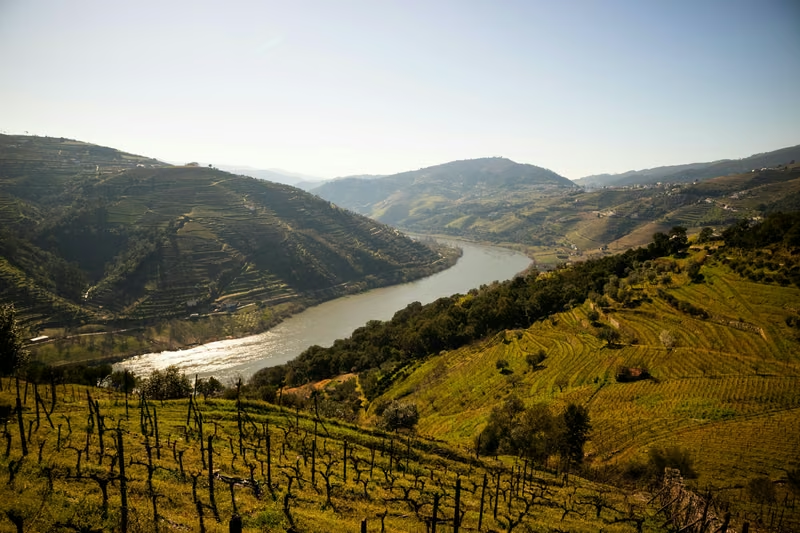
Portugal's River of Gold
Ten days from Lisbon to Porto, with a round-trip Douro cruise through terraced port wine country and a day across the border in Salamanca.
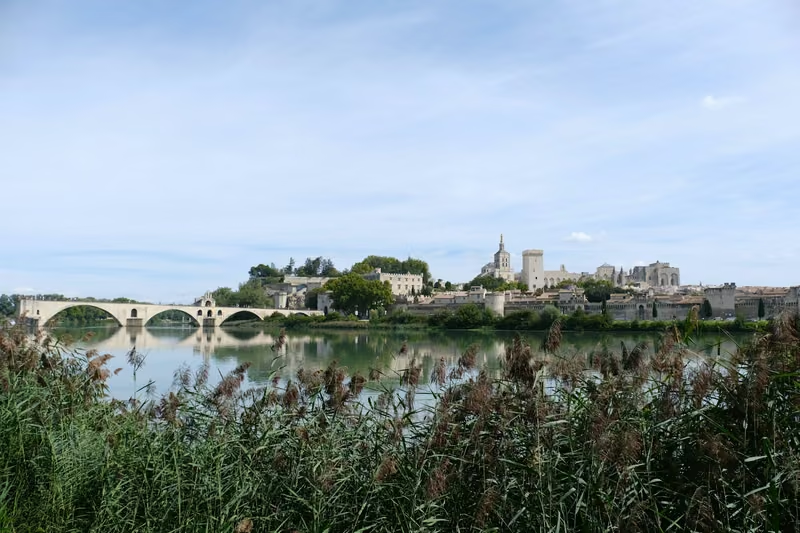
Lyon & Provence
Eight days on the Rhône from the papal city of Avignon to Lyon, the capital of French gastronomy, through Roman Provence and terraced wine country.
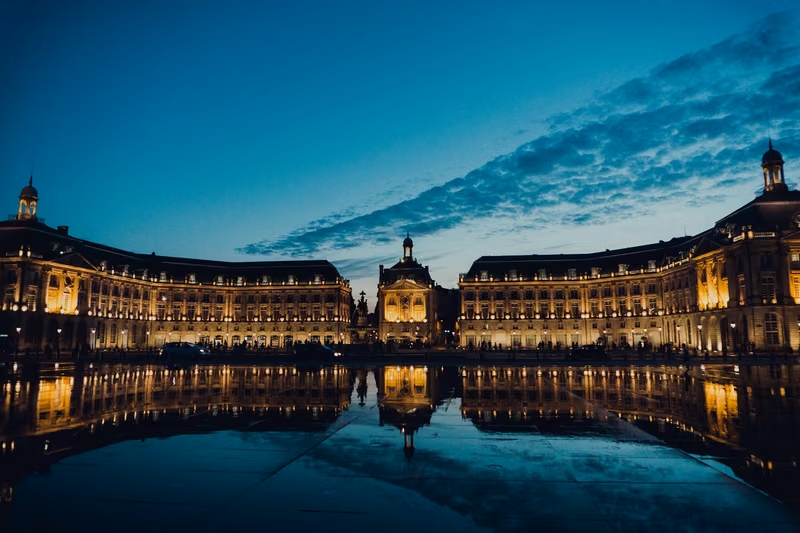
Châteaux, Rivers & Wine
A week on the rivers of Bordeaux, sailing round trip from the city to the vineyards of Saint-Émilion, the Médoc and Sauternes.